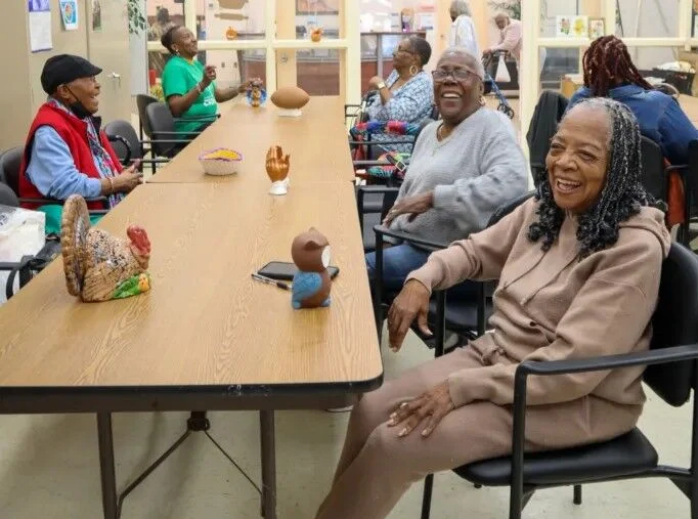

As temperatures drop, city agencies and local organizations are helping Philadelphia’s older adults prepare for colder weather with heating assistance, energy-saving tips and resources to keep their homes warm and utility bills manageable.
Reneé C. Cunningham, executive director of Center in the Park, said the organization receives numerous requests for emergency utility assistance during the fall and winter, particularly from residents who need help paying for heating oil.
“We still have a lot of large homes here that use oil heat, so many older adults seek assistance paying for heating oil,” she said.
Through its Neighborhood Energy Center, Center in the Park helps residents apply for assistance through the Low Income Home Energy Assistance Program, commonly known as LIHEAP.
“We also have limited grant funding to help restore utility service or cover emergency heating oil needs,” Cunningham said.
The Philadelphia Corporation for Aging also helps older adults cover heating expenses through its emergency fund, which provides financial assistance for heating oil and utility-related crises.
To qualify, applicants must be at least 60, live in Philadelphia and meet the program’s income requirements.
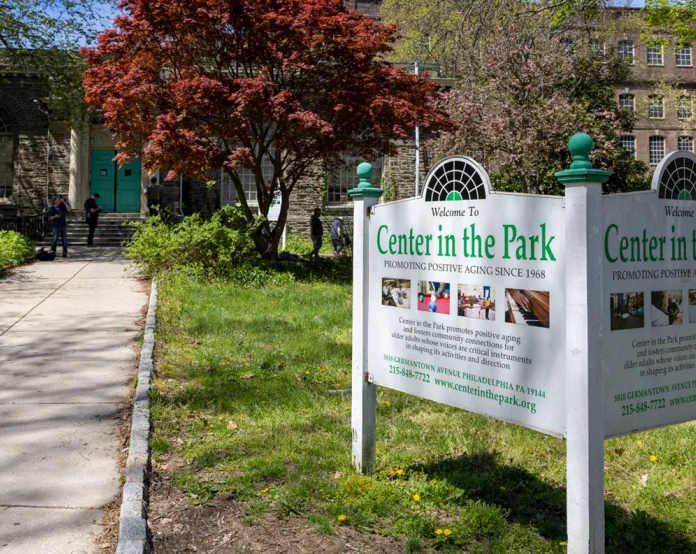
Center in the Park is one of many places across the city that offers resources for seniors. The center offers energy assistance on Monday, Tuesday, Thursday and Friday by appointment only.
“If their home is heated with home heating oil, we will purchase 100 gallons for them,” said Nolan Lawrence, Philadelphia Corporation for Aging helpline director. “Every year, we make a tangible impact through our emergency fund.”
Financial assistance is only one part of preparing for winter, however. Older adults can also take practical steps around their homes to retain heat and reduce energy costs.
“People should check drafty windows to make sure they’re closed and locked, as that helps create a tighter seal,” Cunningham said. “Covering old, drafty windows with clear plastic can also help keep heat inside and save money.”
Managing utility bills is another important part of preparing for winter. Older adults should arrange repairs or maintenance when needed to help their heating systems operate efficiently and avoid costly breakdowns.
Cunningham said residents also should understand what winter shutoff protections do and do not mean for their bills.
“PGW has a winter moratorium during which gas service is not shut off for heat-related reasons, but people who don’t pay their gas bills during that time can rack up debt,” Cunningham said.
She encouraged residents who are struggling with their bills to seek help early rather than allowing balances to accumulate.
“People should get on a bill payment program with the utility companies and stay on it,” Cunningham said. “We can help with that, as can any Neighborhood Energy Center. Do what you have to do to make those payments. Even with a winter moratorium, it’s not a free pass to stop paying your bill.”
Staying warm during the winter also means protecting physical health. Dressing in layers, keeping indoor temperatures around 68 degrees or warmer and sealing drafts can help older adults remain comfortable as outdoor temperatures fall.
Food and hydration also play important roles during colder weather, Lawrence said.
“Because caffeine can be dehydrating, we recommend decaffeinated tea, warm milk, broth or hot water with lemon,” Lawrence said. “It’s also important to drink water throughout the day and avoid alcohol.”
Regular, nourishing meals can also help the body maintain its temperature.
“We always recommend eating regular, nourishing meals, such as soups, oatmeal and other dishes rich in protein, including eggs,” Lawrence said. “Your body has a better chance of regulating its temperature and staying warm when it has enough fuel.”
Older adults can take additional steps to remain comfortable overnight, particularly those who have poor circulation.
“Switching to flannel sheets, adding extra blankets or using a thicker comforter can help retain warmth,” Lawrence said. “For seniors with poor circulation, keeping the bed warm can help them stay comfortable throughout the night.”
Regular movement can also generate body heat, reduce stiffness and help older adults maintain mobility.
“Take short walks indoors or outdoors when weather permits, stand up and stretch, and keep the blood flowing,” Lawrence said. “Movement helps the body generate heat, reduces stiffness and can also help prevent falls, especially when people are experiencing the effects of cold weather.”
Along with taking steps to stay warm and healthy, older adults can benefit from the support of family members, friends and neighbors during colder weather.
Lawrence said those personal connections become especially important during periods of extreme weather because many older Philadelphians live alone.
“Philadelphia has one of the largest populations of older adults living alone in America and that population is only growing,” Lawrence said. “Checking in on someone during extreme weather is one of the best things you can do.”
Those check-ins, he said, can become more than simply friendly visits or telephone calls.
“Over the past couple of years, we’ve had a few instances during heat or winter emergencies when simply checking in on someone has saved lives,” Lawrence said.
For older Philadelphians and their families, Cunningham and Lawrence stressed that preparing for winter starts before a heating or utility problem becomes an emergency. Assistance is available through several local agencies and programs for residents who need help paying heating costs, dealing with utility problems or making minor repairs to heating systems.
Resources for older adults during colder months
Center in the Park
Phone: 215-848-7722
Email: info@centerinthepark.org
Energy assistance is available Monday, Tuesday, Thursday and Friday by appointment only.
Philadelphia Corporation for Aging
Helpline: 215-765-9040
Hours are Monday through Friday, 8 a.m. to 5 p.m.
The organization connects callers with local resources and Philadelphia Corporation for Aging services.
Low Income Home Energy Assistance Program (LIHEAP)
Helpline: 866-857-7095
The program provides financial assistance to eligible low-income households paying heating costs or facing a loss of heat or utility service shutoff.
Heater Hotline
Phone: 215-568-7190
The program assists low-income Philadelphia homeowners who need immediate, minor repairs to their heating systems.
Staff members are available by phone weekdays from 7 a.m. to 11 p.m. Voicemails left overnight or on weekends are typically returned within one business day.